
Neurodiversity Informed Therapy
Q1
What is Neurodiversity Informed Therapy?
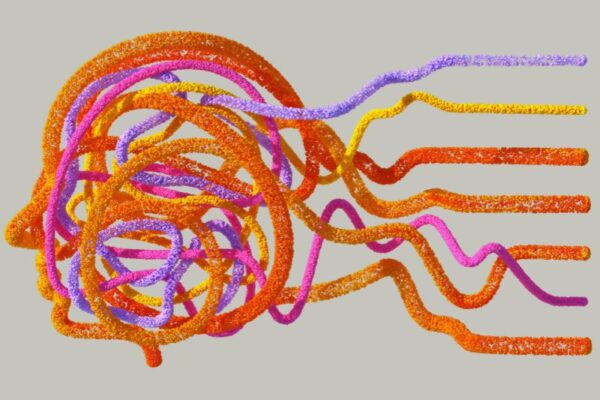
Neurodiversity-informed therapy recognizes and respects the natural variations in human brains and neurological functioning.
It moves away from a deficit-based models that excludes neurodivergent individuals (those with autism, ADHD, dyslexia, etc.) and instead embraces their unique strengths and perspectives. This approach emphasizes understanding the individual’s specific neurocognitive profile, sensory sensitivities, and communication styles. I work from a neurodiversity-affirming perspective, collaborate with clients to develop strategies that support their well-being and address challenges without attempting to “normalize” them. The focus is on creating self-acceptance, building on existing strengths, developing coping mechanisms for a neurotypical-centric world, and advocating for accommodations rather than forcing conformity. Neurodiversity-informed therapy empowers individuals to thrive authentically, celebrating their neurodivergent identities and creating a sense of belonging.

Q2
What is neurodiversity?
Neurodiversity is a concept that recognizes and celebrates the natural variations in human brains and neurological functioning. It acknowledges that neurological differences, such as autism, ADHD, dyslexia, and others, are not deficits or disorders, but rather variations within the human population. The neurodiversity paradigm shifts away from a medical model that pathologizes these differences and instead embraces them as a normal and valuable part of human diversity. It emphasizes the unique strengths and perspectives that neurodivergent individuals bring, challenging the idea that there is one “normal” way of thinking, learning, or behaving. Neurodiversity advocates for inclusivity, acceptance, and accommodations for neurodivergent individuals in all aspects of society, from education and employment to social interactions and community participation.
“Owning our story and loving ourselves through that process is the bravest thing that we’ll ever do.”
– Brené Brown
Q3
Neurodivergent examples!
Autism Spectrum Disorder (ASD): Affects communication, social interaction, and may include repetitive behaviors or sensory sensitivities.
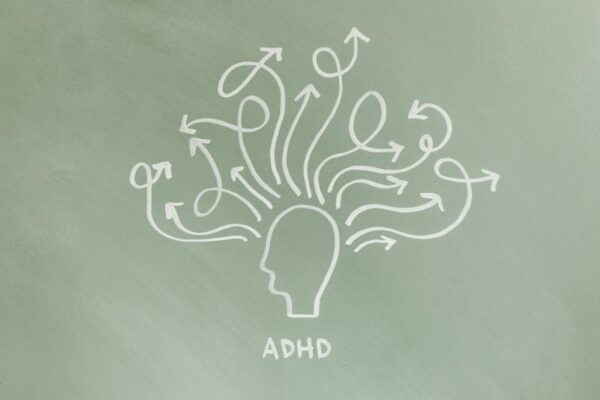
Attention Deficit Hyperactivity Disorder (ADHD): Impacts attention, focus, impulsivity, and sometimes hyperactivity.
Dyslexia: Affects reading and language processing.
Dyspraxia: Impacts coordination and motor skills.
Dyscalculia: Affects mathematical abilities.
Tourette Syndrome: Involves repetitive movements or vocalizations called tics.
Obsessive-Compulsive Disorder (OCD): Involves intrusive thoughts and repetitive behaviors.

Q4
Neuro-diverse issues?
Neurodivergent individuals, while possessing unique strengths, may face specific challenges in a world often designed for neurotypical brains.
These challenges, sometimes called neurodiverse issues, can impact various aspects of life. Social interaction can be difficult due to differing communication styles or sensory sensitivities. Executive function challenges may affect organization, time management, and task completion. Learning differences can create obstacles in traditional educational settings. Sensory overload can lead to anxiety and overwhelm in stimulating environments. Employment can be challenging due to workplace structures or a lack of understanding regarding neurodivergent needs. Mental health conditions like anxiety and depression are also more prevalent in neurodivergent populations, often stemming from the stress of navigating a neurotypical world. Understanding these issues is crucial for creating a more inclusive and supportive environment where neurodivergent individuals can thrive.
You’re not alone. I’M here to help.